
Introduction to Facilities Management
Facilities Management (FM) is the backbone of any organization, ensuring that the physical spaces, assets, and services within a workplace operate efficiently and align with the needs of employees and stakeholders. It’s a multidisciplinary field that combines technical expertise, strategic planning, and people skills to create safe, functional, and sustainable environments. In this chapter, we explore the fundamental role of FM, its evolution over the years, and introduce the Four Pillars—People, Processes, Technology, and Sustainability—as the core framework for modern facilities management
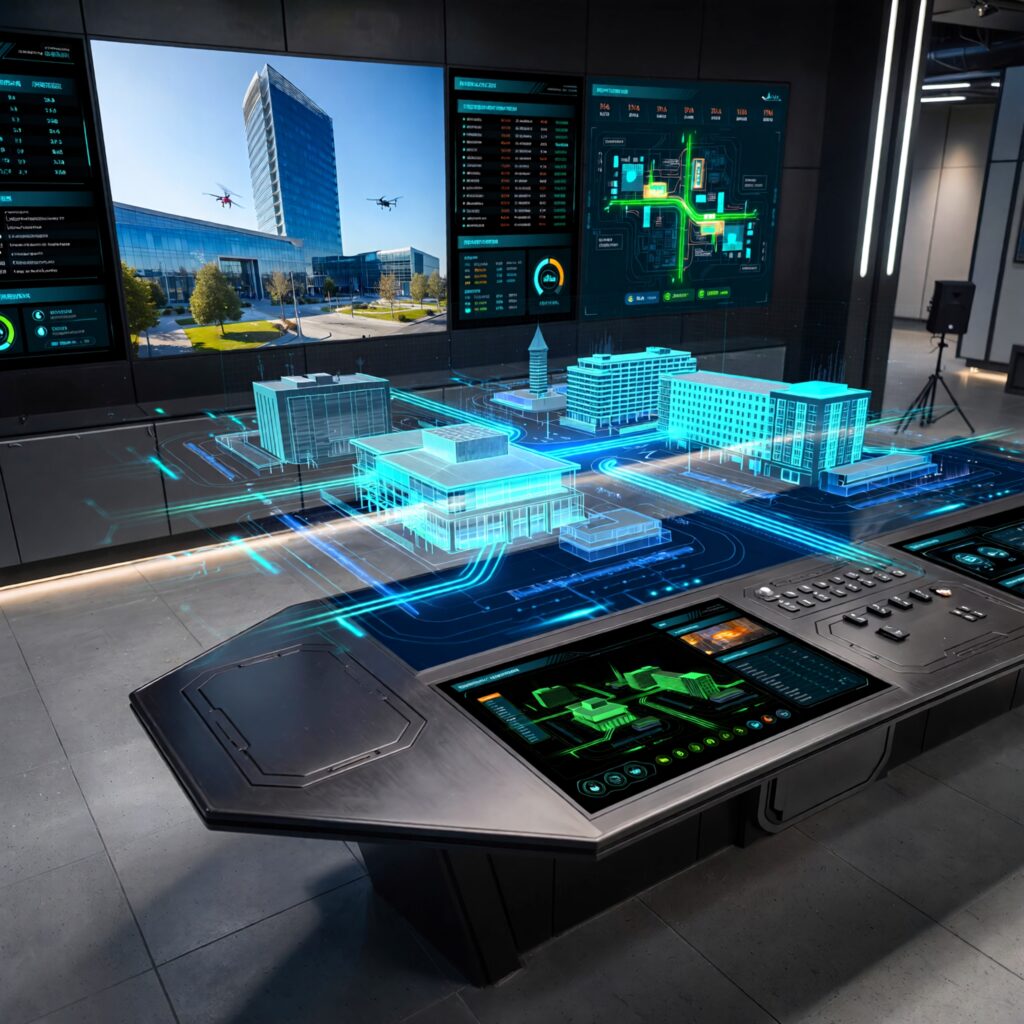
Defining Facilities Management
At its core, Facilities Management encompasses all activities required to ensure the proper functioning of an organization’s facilities. These include maintenance of buildings, equipment, and systems, as well as services like cleaning, security, and catering. FM is not limited to operational tasks; it also plays a strategic role by contributing to cost management, risk mitigation, and employee well-being.
The International Organization for Standardization (ISO) defines FM as the “integration of people, place, process, and technology to ensure functionality, comfort, safety, and efficiency of the built environment.” This definition underscores the interdisciplinary nature of FM and its impact on both the organization and its users.
The Evolution of Facilities Management
Facilities Management has come a long way from its origins as a purely operational function focused on building maintenance. Over the decades, it has evolved into a strategic discipline integral to organizational success. Several key trends have shaped this transformation:
- Technology Advancements: The adoption of Building Management Systems (BMS), the Internet of Things (IoT), and Artificial Intelligence (AI) has revolutionized how facilities are monitored and managed. Predictive maintenance, energy optimization, and data-driven decision-making have become standard practices.
- Focus on Sustainability: With increasing awareness of environmental issues, FM has taken on a critical role in driving sustainability initiatives. Energy-efficient buildings, waste reduction programs, and green certifications are now central to FM strategies.
- Employee-Centric Workplaces: Modern FM goes beyond physical assets to enhance the overall workplace experience. Employee well-being, productivity, and satisfaction are now key performance indicators for FM professionals.
- Regulatory Compliance: The growing complexity of laws and standards governing health, safety, and data privacy has expanded FM’s responsibilities. Compliance is now a significant focus, requiring meticulous planning and execution.
Why Facilities Management Matters
The importance of FM cannot be overstated. It touches every aspect of an organization’s operations and contributes to its overall success in several ways:
- Operational Efficiency: Well-maintained facilities reduce downtime, enhance productivity, and extend the lifespan of assets.
- Cost Management: Proactive maintenance and resource optimization help organizations save money in the long run.
- Risk Mitigation: Effective FM minimizes risks associated with safety, security, and regulatory compliance.
- Employee Experience: A well-designed and well-maintained workplace boosts employee morale and productivity.
- Sustainability Goals: FM is essential for achieving organizational sustainability targets, from energy efficiency to waste reduction.
The Four Pillars of Facilities Management
To understand FM holistically, we must examine its foundation: the Four Pillars. These pillars provide a comprehensive framework for addressing the diverse aspects of facilities management.
1. People
Facilities Management is ultimately about people. Whether it’s the FM team, employees, or external stakeholders, the human element is central to every FM activity. Effective FM fosters collaboration, prioritizes employee well-being, and ensures that the workplace supports productivity and engagement.
2. Processes
Processes are the backbone of FM operations. From preventive maintenance schedules to emergency response protocols, well-defined processes ensure consistency, efficiency, and compliance. Standard operating procedures (SOPs) and workflows help streamline tasks and reduce errors.
3. Technology
Technology has become a driving force in FM. Tools like Computerized Maintenance Management Systems (CMMS), IoT sensors, and AI-powered analytics provide actionable insights, improve efficiency, and enable predictive maintenance. Technology also supports remote monitoring, ensuring facilities operate smoothly even in decentralized or hybrid work environments.
4. Sustainability
Sustainability is no longer optional; it is a necessity. FM plays a critical role in reducing energy consumption, managing waste, and ensuring that facilities align with environmental standards. Green building certifications, such as LEED and BREEAM, are benchmarks for sustainable FM practices.

Facilities Management is a dynamic and vital field that goes far beyond maintaining buildings and assets. It is about creating environments that support people, processes, and sustainability while leveraging technology to drive innovation. As we delve deeper into the Four Pillars in subsequent chapters, we will uncover the strategies and best practices that define successful facilities management in the modern era. Together, these pillars form the foundation for resilient, efficient, and future-ready facilities.