
Facility management (FM) plays a critical role in ensuring the smooth functioning of organizations by integrating people, places, processes, and technology. Effective FM is no longer just about maintaining physical assets but is a strategic function that drives operational efficiency. Let’s delve deeper into how facility management enhances organizational operations.
Understanding Facility Management
Facility management (FM) plays a critical role in ensuring the smooth functioning of organizations by integrating people, places, processes, and technology. Effective FM is no longer just about maintaining physical assets but is a strategic function that drives operational efficiency. Let’s delve deeper into how facility management enhances organizational operations.

Core Functions of Facility Management in Operational Efficiency
- Maintenance and Asset ManagementOne of the primary responsibilities of FM is maintaining the organization’s physical assets, such as buildings, machinery, and equipment. Proactive maintenance strategies, like predictive and preventive maintenance, reduce downtime and increase the lifespan of assets. Well-maintained facilities ensure uninterrupted operations, minimizing costly delays and inefficiencies.
- Energy ManagementEnergy efficiency is a critical area where FM directly impacts operational costs. Facility Managers implement energy-saving measures such as smart lighting, HVAC optimization, and renewable energy integration. These strategies reduce utility expenses and contribute to sustainability goals, enhancing the organization’s reputation.
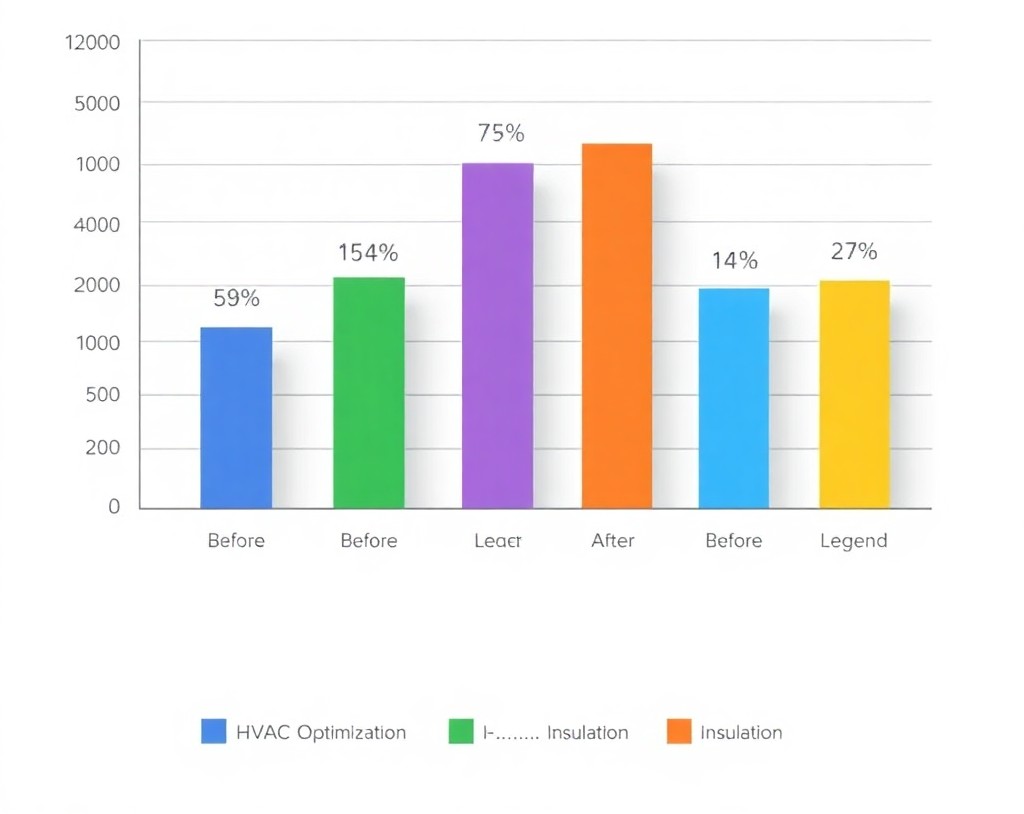
A bar graph showcasing energy savings achieved through facility management interventions.
- The X-axis represents different Facility Management interventions:
- ‘LED Lighting Upgrade’
- ‘HVAC Optimization’
- ‘Insulation Improvement’
- The Y-axis represents energy savings in percentage.
The bars distinctly show ‘Before’ and ‘After’ comparisons for each intervention, with ‘Before’ in one color and ‘After’ in another. The title at the top reads, ‘Energy Savings from Facility Management Interventions’, and there are legends indicating which color represents ‘Before’ and ‘After’.
- Space OptimizationEfficient use of physical space is vital for operational efficiency. Facility Managers analyze workspace utilization and redesign layouts to accommodate changing workforce needs, especially in the era of hybrid work models. Optimized space usage reduces costs associated with unused areas and enhances employee productivity by creating a comfortable and functional environment.
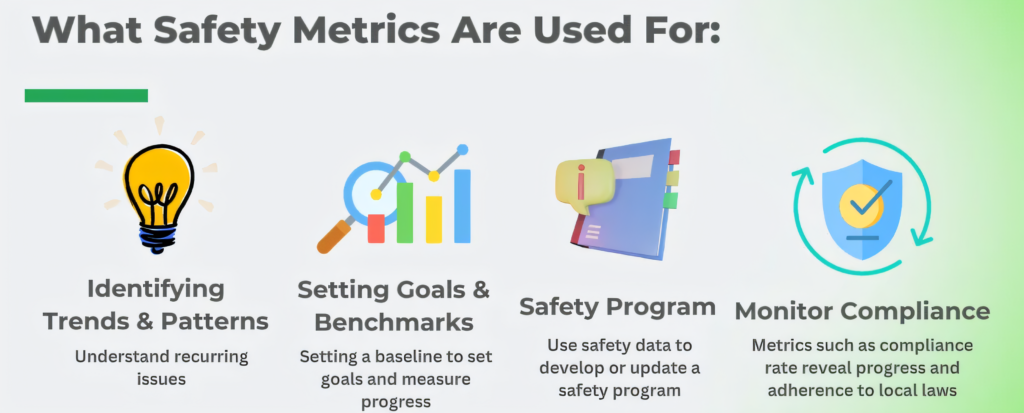
- Compliance and Safety Compliance with local regulations and safety standards is non-negotiable for any organization. FM ensures buildings meet fire safety, accessibility, and occupational health standards. A safe work environment reduces the likelihood of accidents and associated costs, fostering a culture of trust and reliability.
Leveraging Technology for Efficiency
- Integrated Workplace Management Systems (IWMS)IWMS platforms enable Facility Managers to streamline operations by integrating data on maintenance, space utilization, and energy consumption. These systems provide actionable insights that help managers make informed decisions to improve efficiency.
- Internet of Things (IoT)-enabled devices, such as smart sensors and automated controls, are transforming Facility Management. These technologies allow real-time monitoring of equipment performance, energy usage, and environmental conditions, enabling predictive maintenance and immediate issue resolution.
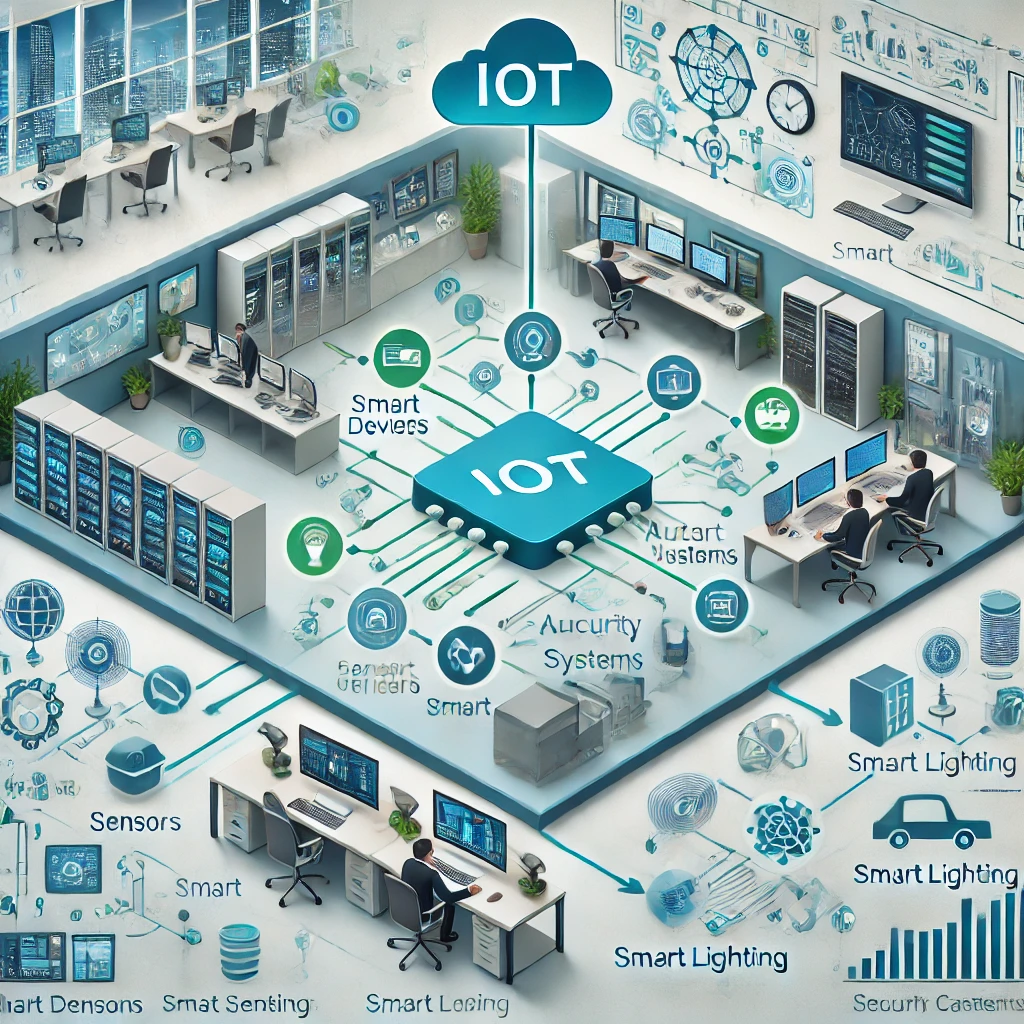
Here is a diagram illustrating how IoT devices interact within a smart facility, showcasing data flow from sensors to management systems. Let me know if you’d like any modifications or additional visuals!
Challenges in Enhancing Operational Efficiency through FM
Despite its benefits, facility management faces challenges in achieving operational efficiency:
- Budget Constraints: Limited budgets can restrict investments in advanced technologies and maintenance programs.
- Technological Integration: Adopting and integrating new technologies requires significant time and training.
- Evolving work trends: Adapting to hybrid work models and dynamic workforce needs demands continuous innovation.
Addressing these challenges requires a strategic approach and support from organizational leadership.

Here is a collage showing facility managers addressing challenges like budget planning, technology integration, and workspace redesign. Let me know if you need further refinements!
Sustainability: A Key Driver of Operational Efficiency
Sustainable practices are becoming an integral part of facility management. By adopting green building standards, reducing waste, and prioritizing renewable energy, organizations not only reduce their environmental impact but also achieve significant cost savings.
Case Study: A multinational corporation implemented a sustainability-focused FM strategy, replacing traditional lighting with LED systems and introducing water-saving fixtures. These changes led to a 30% reduction in utility bills within a year, demonstrating how sustainability drives efficiency.
The Human Element: Enhancing Workforce Productivity
Facility management directly impacts employee productivity by creating a conducive work environment. Clean and well-maintained spaces, ergonomic furniture, and reliable infrastructure ensure employees can focus on their tasks without distractions. Moreover, FM contributes to employee well-being by incorporating wellness initiatives, such as biophilic design and indoor air quality improvements
Measuring the Impact of Facility Management
To evaluate the effectiveness of FM in enhancing operational efficiency, organizations should track key performance indicators (KPIs), such as:
- Maintenance response times.
- Energy consumption rates.
- Space utilization metrics.
- Employee satisfaction scores.
Conclusion
Facility Management is a cornerstone of operational efficiency, ensuring that organizations function seamlessly while adapting to evolving needs. By focusing on maintenance, technology integration, sustainability, and employee well-being, Facility Managers create environments that support productivity and cost-effectiveness. In a world where efficiency drives success, FM stands out as a strategic enabler of organizational excellence.
Your blog is a breath of fresh air in the crowded online space. I appreciate the unique perspective you bring to every topic you cover. Keep up the fantastic work!
thanks
Thanks alot Prime Biome
I was recommended this website by my cousin I am not sure whether this post is written by him as nobody else know such detailed about my difficulty You are wonderful Thanks
hi Prime Thanks for your Visit if you want to know more details you can visit our Ebook Section Facility Management